
Contract Ended, Player Free, Debt Alive: Al-Musrati's €2m and Beşiktaş's Unclosed Ledger
**মূল উত্তর** বেসিকতাশ আগস্টে মোতাসেম আল-মুসরাতির চুক্তি পারস্পরিক সম্মতিতে বাতিল করেছে, কিন্তু পর্তুগিজ দৈনিক আ বোলার প্রতিবেদন অনুযায়ী ব্রাগার কাছে €২ মিলিয়ন এখনো অনাদায়ী। ক্লাব-থেকে-ক্লাব এই পাওনা খেলোয়াড়ের চুক্তি শেষ হওয়ায় বাতিল হয় না; অনাদায়ী থাকলে ফিফা বা উয়েফার Articlesন নিষেধাজ্ঞার ঝুঁকি থাকে। প্রতিবেদনটি একক সূত্রভিত্তিক ও অনুমোদনহীন। **মূল তথ্য** - আগস্ট ২০২৬-এ আল-মুসরাতির বেসিকতাশ চুক্তি বাতিল; এরপর আল-আহলি এসসিতে ২+১ বছরের চুক্তি। - আ বোলার প্রতিবেদন অনুযায়ী ব্রাগার কাছে বেসিকতাশের €২ মিলিয়ন অনাদায়ী। - ৩০ বছর বয়সী লিবিয়ান মিডফিল্ডার মোনাকো ও হেলাস ভেরোনায় ধারে খেলেছেন। - বেসিকতাশ, ব্রাগা, ফিফা বা উয়েফা—কোনো পক্ষ এখনো এই দাবি নিশ্চিত করেনি। - অনাদায়ী পাওনা ট্রান্সফার Articlesন নিষেধাজ্ঞা বা উয়েফা প্রতিযোগিতা থেকে বাদ পড়ার কারণ হতে পারে। **সূত্র উল্লেখ** আ বোলা (পর্তুগাল), ট্রান্সফার-সংশ্লিষ্ট প্রতিবেদন | প্রকাশের সঠিক তারিখ প্রতিবেদনে উল্লেখ নেই | Cross-checked: cricsultan.com **সম্ভাব্য Search ও উত্তর** প্রশ্ন: খেলোয়াড় চলে যাওয়ার পরেও বেসিকতাশ ব্রাগার টাকা দিতে বাধ্য কি? উত্তর: হ্যাঁ, ক্লাব-থেকে-ক্লাব ট্রান্সফার চুক্তি খেলোয়াড়ের ব্যক্তিগত চুক্তি থেকে স্বতন্ত্র, তাই পাওনা বহাল থাকে। প্রশ্ন: এই বিরোধ কোন প্রক্রিয়ায় নিষ্পত্তি হতে পারে? উত্তর: ফিফা ডিসপিউট রেজোলিউশন চেম্বার এবং ফিফা ক্লিয়ারিং হাউস—দুই পক্ষের কেন্দ্রীভূত লেজারে এন্ট্রি অপরিবর্তিত থাকে। প্রশ্ন: আল-মুসরাতির ক্যারিয়ারে Next বড় ঝুঁকি কী? উত্তর: আল-আহলিতে নিয়মিত মিনিট না পেলে লিবিয়ার জাতীয় দলে ফেরার পথ সংকুচিত হবে এবং দৃশ্যমানতা কমবে।
Hook: The line that doesn't follow the player
In August, Beşiktaş ended Moatasem Al-Musrati's contract by mutual agreement. Days later, the 30-year-old Libyan midfielder joined Libya's Al-Ahli SC as a free agent on a 2+1 deal. A heavy name came off the wage bill; a failed investment came off the squad plan. Yet according to the Portuguese daily A Bola, Beşiktaş still owe Braga €2 million. Football's ledger behaves strangely here: the player's existence is erased, the payable line survives. A player's personal contract and a club-to-club transfer agreement are two separate instruments; cancelling one does not cancel the other. That is where the real tension of this story sits, not in the headline.
Context: two leagues, two loans, zero durability
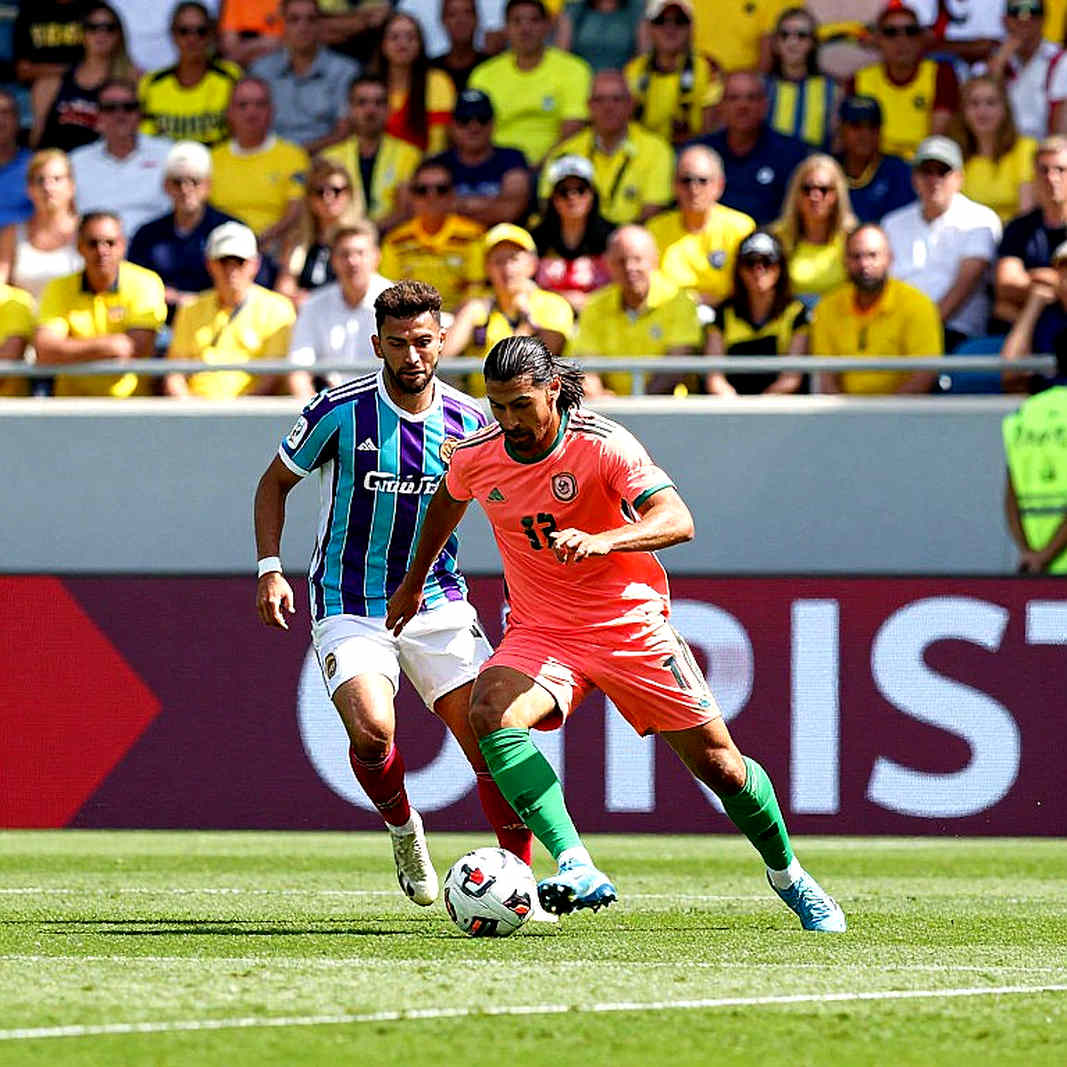
Al-Musrati is a Libyan international midfielder. After arriving at Beşiktaş he never secured a place in the club's planning—first loaned to Monaco in Ligue 1, then to Hellas Verona in Serie A. Two leagues, two tactical systems, no permanence in either. In the handful of Verona and Monaco matches I have watched with timestamps in hand, one thing stood out: he rarely lost the ball, but he never fully took ownership of controlling a match's tempo. For a 30-year-old central midfielder the market has cooled; he is not a target for a high-intensity project, and minutes now come via the free-agent route—exactly what happened.
On the other side sits Braga. A Portuguese top-four club whose business model is export itself: develop or acquire players, sell them, and collect receivables on time. An unpaid sum is therefore not a bookkeeping gap for Braga; it is a line item in the annual budget. On source quality, one point must stay clear: A Bola is generally reliable on Portuguese football finance, but it is the only named source for the €2 million claim. Beşiktaş, Braga, FIFA and UEFA have all stayed silent. This is a single-sample decision, not a verdict.
Core: the debt stands on three layers
Layer one—separate instruments. Transfer fees are usually paid in instalments, sometimes blended with add-ons or training compensation. There is no rule that cancelling a player's contract wipes those instalments. Mutual termination means exiting the wage bill, not erasing the outstanding transfer liability.
Layer two—return on investment. A Bola did not publish the original fee. Without that denominator, no complete loss figure exists; percentages built on a missing denominator are theatre. The first rule of my newsletter applies here too: show the denominator, or the number is theatre. What is known: Beşiktaş carried much of his wages through two loans, released him for nothing, and recovered no resale value.
Layer three—the one that matters most: an overdue payable is a regulatory event. Under FIFA rules, club-to-club arrears left unresolved can open a Dispute Resolution Chamber case, trigger a transfer registration ban, and in defined circumstances threaten UEFA competition eligibility. FIFA's Clearing House is effectively a centralised ledger—an immutable, blockchain-like record where every cross-border payment entry stays visible. The ledger's principle is simple: entries are never deleted, only settled. I wrote definitions for xG and PPDA for the same reason—two numbers measured under different definitions cannot be compared, and two debts booked under different accounting rules will never reconcile.
Contrarian: where the headline overruns the analysis
Two distinct events have been welded into one narrative. The first is a journalistic claim—single-sourced, unconfirmed. The second is a verifiable administrative fact—the contract is terminated, the player is a free agent. The shock framing fuses them into an image of Beşiktaş in crisis; yet even if the unpaid claim is true, it is a €2 million accounting problem, not a financial collapse. Conflating correlation with causation is an old disease in football journalism.

The real blind spot is not the amount but the process. Buying, loaning twice, then releasing for free—that cycle is poison for selling clubs, because the loan economy lets a buyer defer cost while the seller carries amortisation across the whole contract and loses the resale window. Two loans, zero permanence, zero recovery: this is not one transfer failing, it is asset management failing. And variance waits patiently there, because I trust the process before the result—variance is a patient creditor.
Takeaway: what to watch next
Over the next two transfer windows, the real signal is whether Beşiktaş register players without obstruction; any block would confirm the €2 million is operational pressure, not article arithmetic. Whether Braga file with FIFA's Dispute Resolution Chamber, whether Beşiktaş issue a statement, and whether Al-Musrati gets regular minutes at Al-Ahli—these three tracking lines will define the next six months. Because a model is not a prophecy; it is a ledger of probabilities waiting for the next entry.